Showing posts with label TYPE 2 DIABETES. Show all posts

Monday, July 20, 2020

Alembic Pharma gets tentative nod from USFDA for diabetes management drug


The product is therapeutically equivalent to Synjardy tablets of Boehringer Ingelheim Pharmaceuticals, Inc
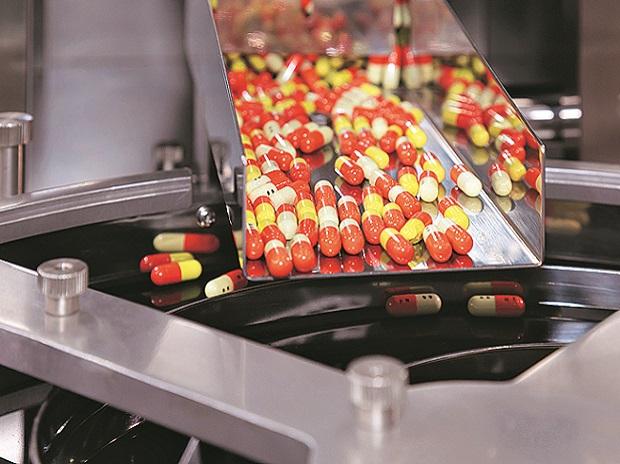

Drug firm Alembic Pharmaceuticals on Monday said it has received tentative approval from the US health regulator for Empagliflozin and Metformin Hydrochloride tablets, used for the management of type-2 diabetes.

The company has received tentative approval from the US Food and Drug Administration (USFDA) for its abbreviated new drug application (ANDA) Empagliflozin and Metformin Hydrochloride tablets in the strengths of 5 mg/500 mg, 5 mg/1000 mg, 12.5 mg/500 mg, and 12.5 mg/1000 mg, Alembic Pharmaceuticals said in a regulatory filing.

The tentatively approved product is therapeutically equivalent to Synjardy tablets of Boehringer Ingelheim Pharmaceuticals, Inc.

Alembic Pharma said it is currently in litigation with Boehringer Ingelheim in District Court of Delaware and launch of the product will depend on litigation outcome.
Empagliflozin and Metformin Hydrochloride tablets are indicated as an adjunct to diet and exercise to improve glycemic control in adults with type-2 diabetes mellitus.
Quoting IQVIA data, Alembic Pharma saidEmpagliflozin and Metformin Hydrochloride tablets have an estimated market size of USD 172 million for twelve months ending March 2020.

Alembic now has a total of 126 ANDA approvals (111 final approvals and 15 tentative approvals) from USFDA.

Shares of Alembic Pharmaceuticals were trading 4.92 per cent higher at Rs 1,025 apiece on the BSE.

Monday, May 27, 2019

Type 2 Diabetic? Forget oatmeal, low-carb breakfast reduces sugar spikes 


Eating a low-carbohydrate breakfast could help curb cravings for treats later in the day - a simple and powerful strategy not just for those with Type 2 diabetes, but for anyone looking to improve the.


Business Standard : Keto, low-carb, low glycemic index, Mediterranean, DASH diet, low-fat: there are a dizzying array of diets claiming to optimize health. Some are based on sound science and some are not.

For anyone living with Type 2 diabetes, a disease that affects about one in 12 people globally, figuring out what to eat can be even more confusing because their bodies have difficulty processing sugars.

When they eat carbohydrates — the sugars and starches found in many foods — they get large spikes in blood sugar. Poor control of blood sugar by the body can damage organs, particularly blood vessels, eyes and kidneys.

The goal of my research lab at the University of British Columbia’s Okanagan campus is to research diet and exercise interventions for the treatment and prevention of Type 2 diabetes. We conduct human studies testing how different lifestyle strategies impact blood glucose control and other health markers important for the management of this disease.

What does our science say about some of these fad diets? What are some simple strategies that those living with Type 2 diabetes can use to cut through the hype and improve their health?

The first is probably the simplest and easiest to implement: restrict carbohydrate-containing foods, like oatmeal and toast, at breakfast.

A reversed circadian rhythm
I have been using continuous glucose monitoring for 10 years to study how diet and exercise influence blood sugar control. From studying hundreds of individuals with Type 2 diabetes, I can point to one consistency: breakfast leads to the biggest glucose spike of the day.

I always assumed this was due to the fact that typical Western breakfast foods, like cereal, toast, oatmeal and fruit, are high in carbohydrates.

However, it could also be that circadian rhythm — the internal clock that sets our 24-hour metabolism — is “reversed” in Type 2 diabetes.

Instead of waking up and being most glucose tolerant and insulin sensitive early in the day, circadian rhythm is disrupted in those with Type 2 diabetes — so that their bodies are even worse at handling carbohydrates in the morning. If they eat a typical breakfast they get a very pronounced glucose spike.